Tai Po Fire inquiry hears evidence from Assistant Director of Fire Services
發佈日期: 2026-04-24 10:58
TVB News
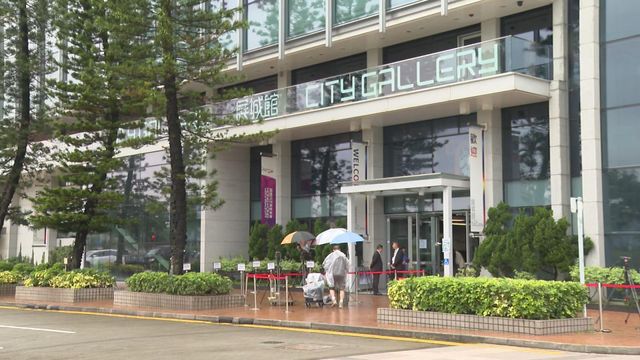


The independent committee’s inquiry into the deadly Wang Fuk Court fire heard testimony from Assistant Director of Fire Services (New Territories North) Tang Wing-wah this morning.

Tang served as on-site incident commander during critical stages of the operation.

Tang, who joined the department in 1996 and was promoted in 2025, confirmed he was the field commander between around 4:18 pm. and 6:22 p.m., based on operational logs compiled via the Mobile Command Unit, which relayed real-time information by radio to the communications centre.

He said he was first notified of the fire at 3:12 p.m., and upon arrival at shortly before 4 p.m., the blaze had already escalated into a major incident. Multiple buildings, including Wang Cheong and Wang Tai Houses, were severely affected, with the fire spreading to several other blocks.

Tang agreed the situation was “unprecedented” in both scale and difficulty. He noted that the fire involved seven 31-storey residential blocks, describing the scene as “well alight,” which is a professional term indicating a severe and complex blaze.

He said command was not immediately assumed upon arrival due to the scale of the scene. But coordination was later established, with senior officers assigned to oversee individual buildings. Firefighting efforts included deploying multiple water jets, turntable ladders and drones.

Rescue attempts were made throughout, including efforts to enter buildings and evacuate residents. However, crews were often forced to retreat due to intense heat, thick smoke and falling debris from burning scaffolding.

In one instance, firefighters managed to clear a narrow access route and rescued three unconscious people from the lobby area.

Tang said despite the extreme conditions, rescue operations continued, with teams attempting to advance floor by floor.

Firefighters also explored alternative strategies, including using turntable ladders to access mid-level floors from the exterior, but these efforts were hindered by intense heat and smoke.

He added that the failure of the building’s fire hydrant and water tank systems significantly impacted operations, forcing crews to rely on portable pumps weighing around 80 kilograms. These had to be manually carried up narrow staircases, while pump vehicle pressure alone was insufficient to reach higher floors.

Turntable ladders were mainly used to contain the fire externally and prevent further spread, rather than for rescues, with only one successful external rescue reported. Tang noted that falling debris and unstable conditions also limited ladder deployment.

He emphasised that the situation was highly dynamic, requiring constant reassessment of tactics. While initial attempts were made to push to higher floors, intense fire conditions at lower levels often forced crews to withdraw and adopt a more gradual, floor-by-floor approach.

Tang maintained that despite the challenges, firefighters made every possible effort to save lives and contain the blaze under extremely hazardous conditions.